

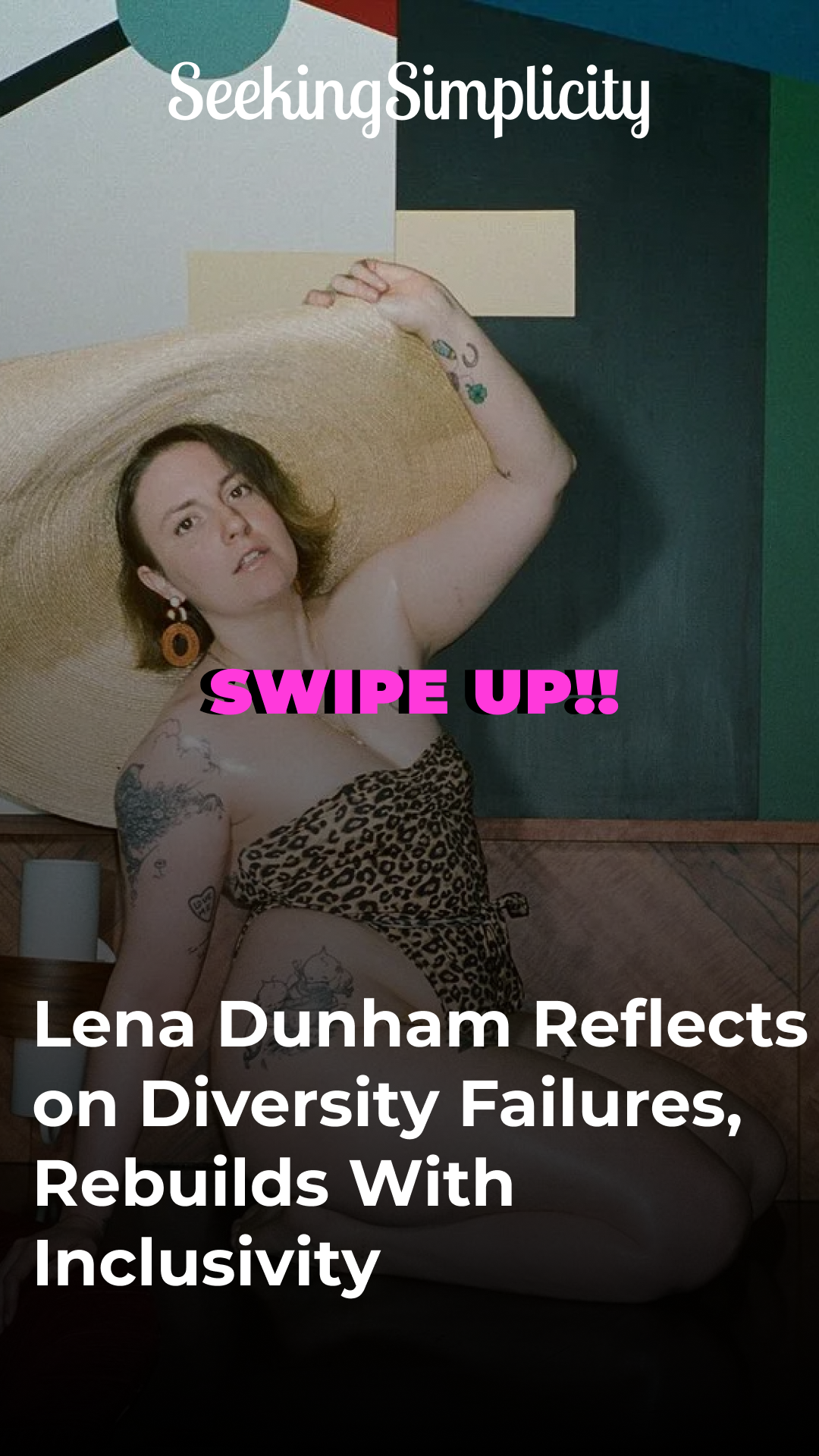
Lena Dunham, the creator of Girls, recently revisited criticisms for featuring an all-white cast under a misleading title. She now recognizes her blind spot, admitting she could only represent “what she knew.” Although initial seasons sparked acclaim, they lacked racial diversity, a shortcoming she now openly regrets .
Her upcoming Netflix series, Too Much, promises accountability in action. Casting is intentionally expansive—featuring Latina, Asian, Black, and biracial couples navigating class and cultural dynamics. More ambitious, the writers’ room itself is statistically balanced, featuring voices often missing in mainstream shows.
Dunham’s journey—acknowledging mistakes, listening, adapting—resonates with audiences craving authentic representation. Criticism has become fuel for conscientious iteration rather than silence.
While some accuse her of post-hoc virtue signaling, Dunham insists this is not a performative pivot, but personal growth. “I’m rebuilding with purpose,” she said in a recent interview. And insiders confirm the production team is actively engaged in cultural workshops.
At a July pilot screening that included focus groups, responses were conversational—viewers requesting honesty and nuance—and Too Much is already being lauded for delivering it. The series arrives at a moment when inclusion can define cultural resonance or collapse into tokenism.
Dunham’s story demonstrates how creators can evolve with their audiences—and how legitimacy now requires apology backed by action.
