

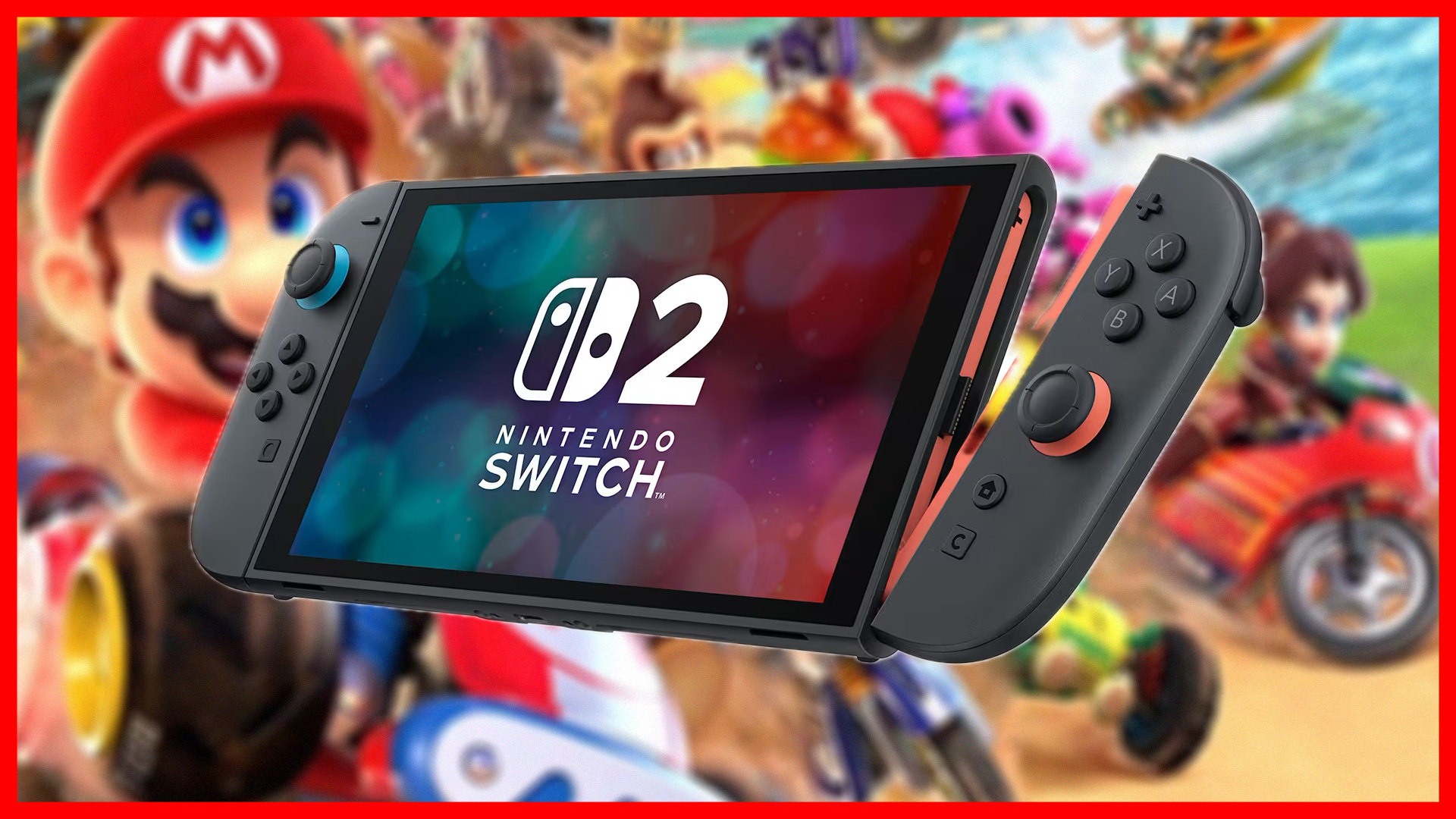
A recent update to Nintendo’s End User License Agreement (EULA) has sparked heated debate: in the U.S., Nintendo reserves the right to remotely disable (or effectively “brick”) a Switch 2 console found engaging in piracy or unauthorized use. However, those protections do not apply under European consumer law, where Nintendo can only revoke access to pirated software—not disable the hardware itself.
🧭 What the U.S. EULA Says:
- The U.S. version of the Nintendo Account user agreement explicitly states that Nintendo may render the console—or its digital services—“permanently unusable” if terms involving unauthorized copies, hacking, or circumvention of security protections are violated.
- This means a full software license withdrawal, and potentially the disabling of online access or broader system functionality.
🌍 Europe: A Different Legal Landscape
- The European EULA lacks the language granting Nintendo the power to disable the console itself.
- Under EU law, once software is sold as a one-time purchase, users generally retain the right to use it—even if Nintendo wants to revoke a license.
- As commenters have noted, European regulations around software ownership may legally supersede Nintendo’s ability to “brick” hardware.
🚨 What’s Already Happening
- Nintendo has been banning Switch 2 devices from online services after detecting unauthorized or modded software, such as flash cartridges—even when piracy wasn’t proven.
- In at least one reported incident, a console was permanently banned after a second-hand purchase—even though the user had legitimate proof of purchase.
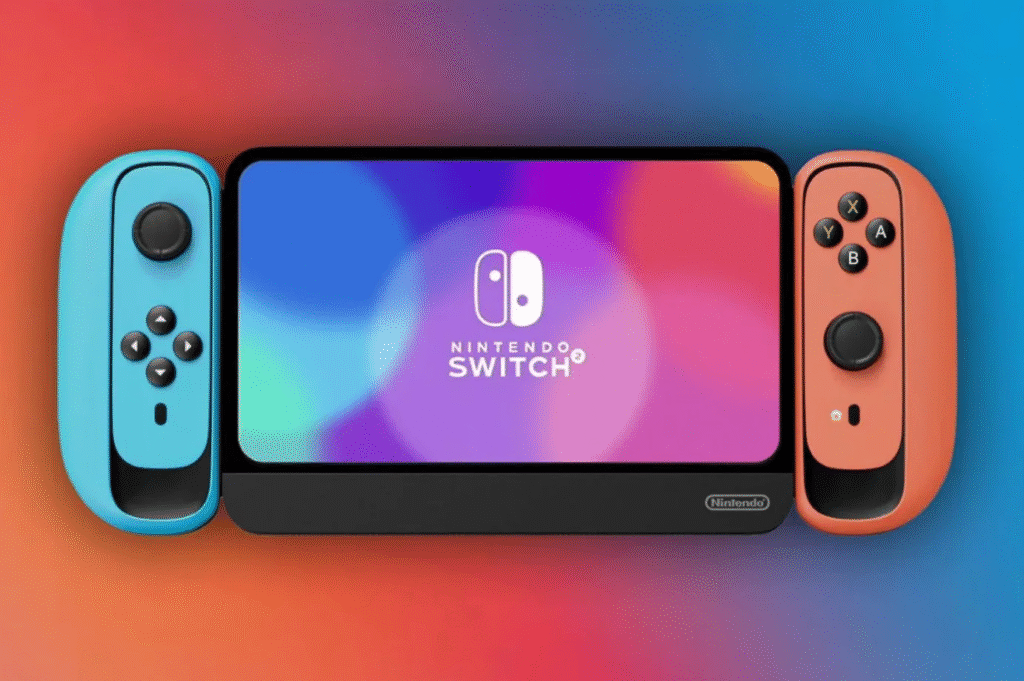
⚖️ Why This Matters
- U.S. vs. EU legal protections differ widely. U.S. law allows broader enforcement—while the EU favors consumer rights and software ownership protections.
- Consumers are rightly alarmed: hardware bans for alleged infringements raise serious concerns about fairness, transparency, and the power imbalance in digital contracts.
- One EU consumer rights authority has even filed a complaint in Brazil over Nintendo’s harsh policies, arguing that permanently restricting a device may violate consumer protection laws.
🧠 Bottom Line
If you’re in the U.S., Nintendo’s updated User Agreement allows the company to disable your Switch 2 entirely if piracy or unauthorized use is detected. In Europe, by contrast, Nintendo can only revoke software licenses—but cannot legally render your console unusable. This discrepancy reveals a broader debate over digital ownership, regional regulation, and corporate control.
