

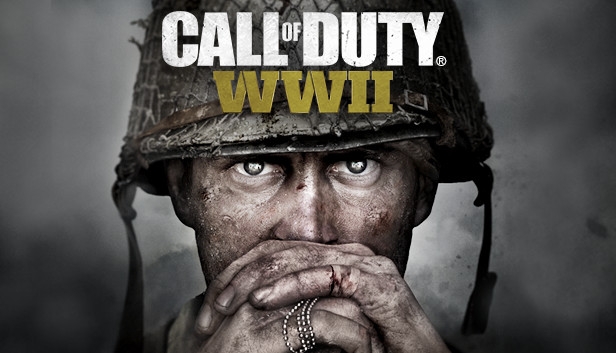
In a dramatic move to protect its player base, Activision has temporarily removed Call of Duty: WWII from the Microsoft Store and Xbox PC Game Pass following reports that the game’s PC version harbors a serious remote code execution (RCE) vulnerability. This flaw reportedly allowed hackers to take control of players’ computers mid-match, installing malware, crashing systems, and even defacing desktop environments.
⚠️ What Happened?
- The Microsoft Store and Game Pass editions of CoD: WWII were released in June 2025.
- Within days, PC gamers began reporting freezing gameplay, command prompt pop-ups, forced shutdowns, and even desktop backgrounds replaced with provocative images—and a legal warning—all indicating a remote hack.
- Notably, a streamer named Wrioh publicly demonstrated their game freezing before hackers appeared to initiate a full system compromise.
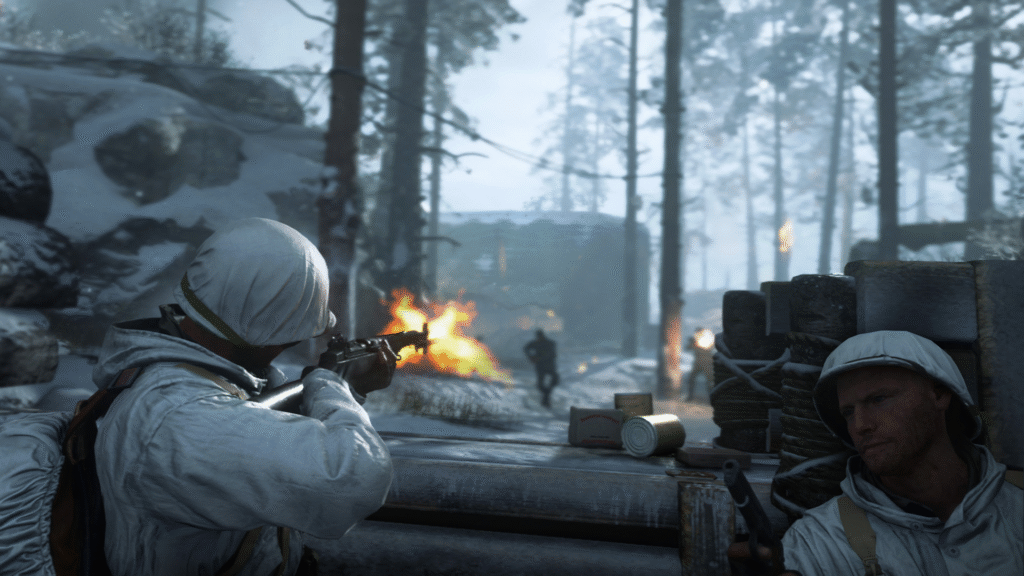
💻 How the Hack Worked
Researchers have confirmed that this was not a cheat exploit but a dangerous RCE vulnerability, allowing attackers to run malicious code on PCs through the game’s client.
- The Microsoft Store/Game Pass version used outdated code that had not been patched, making it more vulnerable than the Steam or Battle.net versions.
- Some victims experienced desktop-level breaches—systems were compromised during live gameplay, triggering malware installs or abrupt shutdowns .
🛑 Activision’s Immediate Action
In response to the threat, Activision took the PC version offline, stating it was doing so “while we investigate reports of an issue”.
- A Microsoft-owned source told TechCrunch that the shutdown was specifically triggered by the hacking incidents.
- The game remains playable via Steam and console platforms, which use patched versions.
🛡️ What Players Should Do
- Avoid downloading or playing Call of Duty: WWII on PC through Game Pass/Microsoft Store until it’s restored securely.
- Verify your version: Steam and console editions remain safe, as they’ve already received critical security updates.
- Watch for updates: Activision has not offered a timeline for the game’s return but indicates a fix is in development.
🧠 Bigger Implications
This incident amplifies growing concerns about legacy game security, especially when older titles join modern distribution platforms using outdated builds. It also serves as a stark reminder of the powerful—and risky—reach games can have when they enable remote code execution.
